Chris
5/12/2025 11:13:06 AM
4 mins read
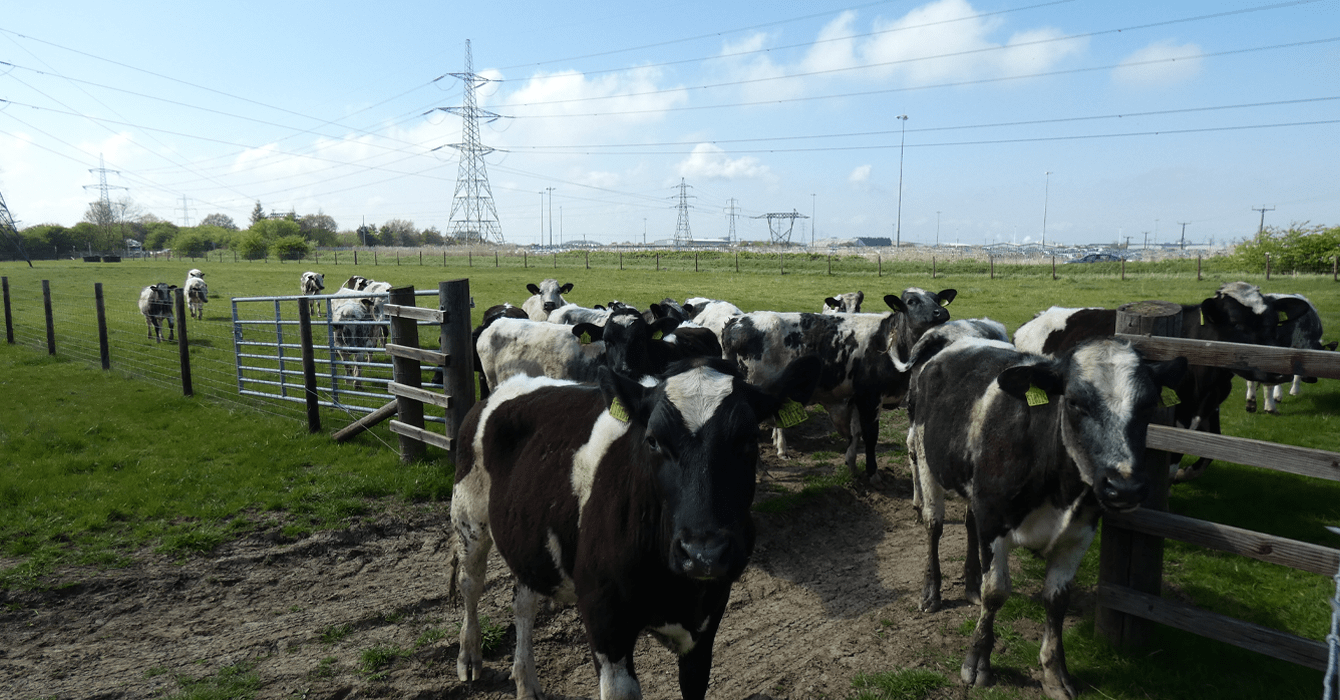
North East Lincolnshire’s mitigation sites provide a haven for international bird species and need to remain predominantly undisturbed. Every spring, however, a special set of ‘workers’ arrive to give the sites a helping hand.
Around 40 cattle, which includes a mix of hard-working breeds such as Belgian blue, Limousin, and Holstein, arrive to graze the grasslands at Cress Marsh and Novartis Ings, delivered by a grazier in Skegness.
These cattle provide a vital service to our target bird species, such as black-tailed godwit and ringed plover, who prefer habitats where the landscape is flat because they need to be able to see over long distances to watch for predators. Short grassland is important for encouraging them to use the site for feeding, resting and breeding, making sure they feel safe and able to spot danger at a distance.
Abi Sheriden, North East Lincolnshire Council Ecologist, said: “Cattle are brilliant for conservation grassland management, particularly on wetland sites like these, as their grazing style is so different from sheep or horses. Cattle are less selective in their grazing, wrapping their tongue around vegetation and tearing it, rather than nibbling the vegetation to the ground.
“Due to their grazing style, they end up eating the rough grasses and weeds that horses may leave behind to overgrow, and do not graze the vegetation as closely as sheep. They are also happy to take a dip in the lagoon or habitat cells, sometimes swimming across to the islands to browse the grasses on offer there.”
She continued: “Cattle ‘poach’ the edges of the water, too. This uneven, lumpy, and muddy habitat creates microclimates perfect for certain invertebrates, increasing the diversity of the site in terms of the bird species it attracts to feed there.
“In the same vein, the cow pats the cattle generously leave behind attract their own dung specialist invertebrates. We often take a moment to watch our cattle herd and the huge flocks of starling, wagtail, or yellowhammer that flutter around their feet, catching any insects they might stir up as they graze, or are attracted by their dung!”
The cattle are on site from April to November, making sure the grassland is kept in check during the growing season. They are visited daily by volunteer welfare checkers who get to know the group well and send lots of pictures of the cattle’s antics while they are hard at work eating!