Chris
4/7/2025 10:08:27 AM
4 mins read
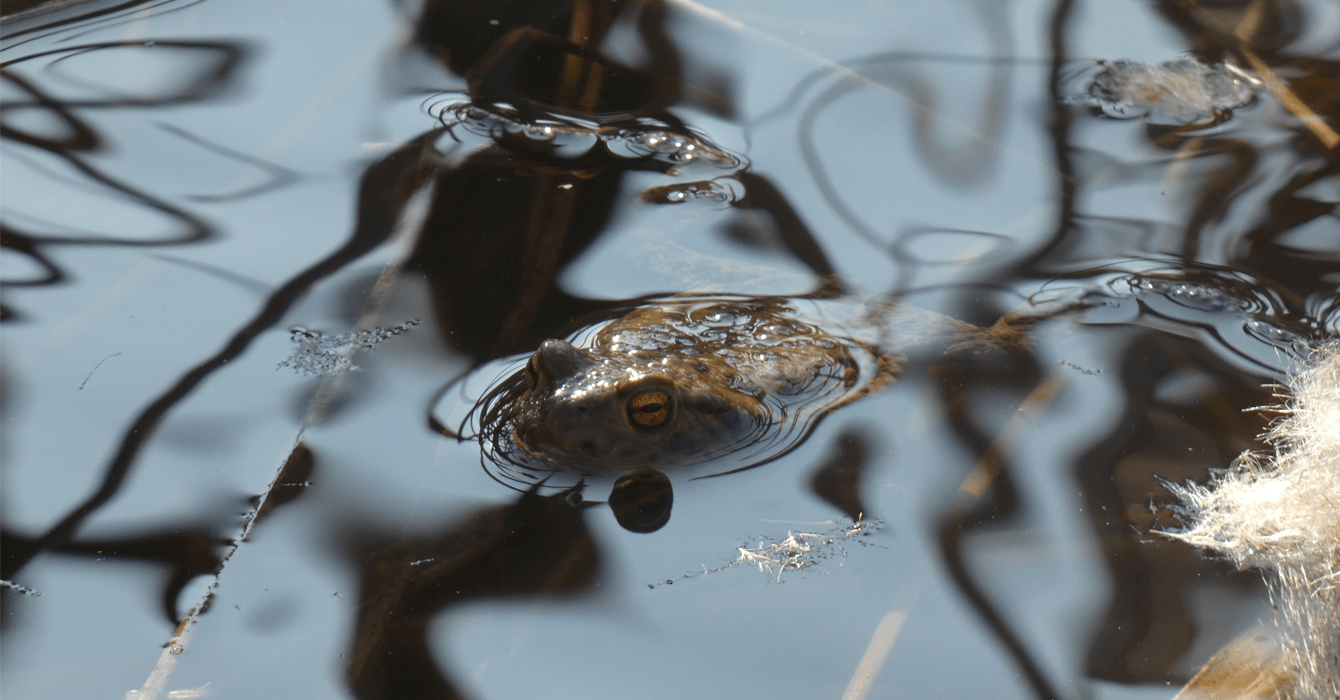
Let’s face it, amphibians get a bad rap! Moist skin, webbed feet, or worse, dry and warty. It is no coincidence that they say “You have to kiss a lot of frogs before you meet your Prince.”
Yet, if you talk to the ecologists in North East Lincolnshire, you may discover why this is one of their favourite times of the year – and it all revolves around the Common Toad breeding season.
In recent years, the toad breeding season here has been so successful that more than 1,000 toads have been born in one year. That is in stark contrast to other areas where toad populations are in decline, mainly due to loss of habitat. In the UK, they have declined by 68% in the last 30 years.
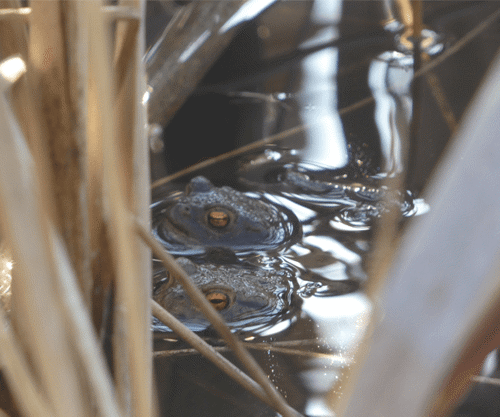
Amphibians are a class of cold-blooded vertebrates made up of frogs, toads, salamanders, newts, and caecilians – so not the cuddly kind. Frogs and toads are different. Frogs have smooth, somewhat slimy skin. Toads have dry, warty skin. Frogs have long legs, built for jumping. Toads have shorter legs and prefer to get around by crawling. Toads (and frogs) are breeding at this time of year and if you are lucky enough you can hear them calling with their low croak.
NELC ecologists keep a close eye on our Common Toads during breeding because they are a Species of Principle Importance as set out by the Government under the NERC Act 2006. This imposes a duty on the Council to ‘have concern and regard for the species, its conservation and population enhancement.’
Close up, toads are majestic - they have a regal pose and beautiful coppery, metallic eyes. For gardeners, toads are a very useful predator for pests like slugs, snails and flies. You can encourage them into your garden by creating log and rock piles, or bits of old pots. They tolerate drier conditions better than frogs. Apparently, larger toads might even eat harvest mice! Their spawn is in long strings in contrast to blobby frogspawn, and they have toxins in their skin to protect against predators – that includes the tadpoles!
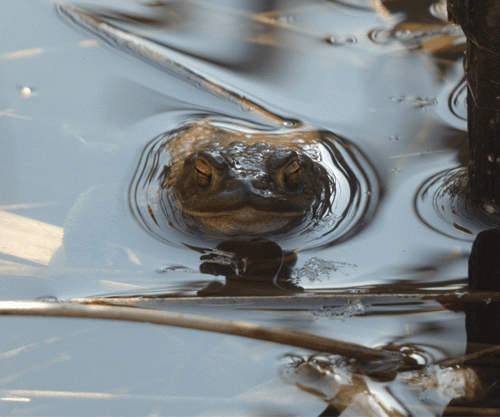
Toads are particularly at risk when new roads are built across their ancient migration paths to breeding ponds. This time of year, toads wake up from their winter sleep and, depending on the weather, they will migrate, sometimes several miles, to their favourite breeding pond. Crossing roads leads to many being knocked down.
In some places, kind volunteers do "toad patrols" where they collect the toads in buckets and help them to cross the road, to avoid being squashed. This usually takes place on mild Spring evenings, especially after a rain shower. Toads migrate en masse, so look out for them. Giving them a bit more consideration might just help you to see their real charm.