Rachel
2/25/2026 1:19:33 PM
4 mins read
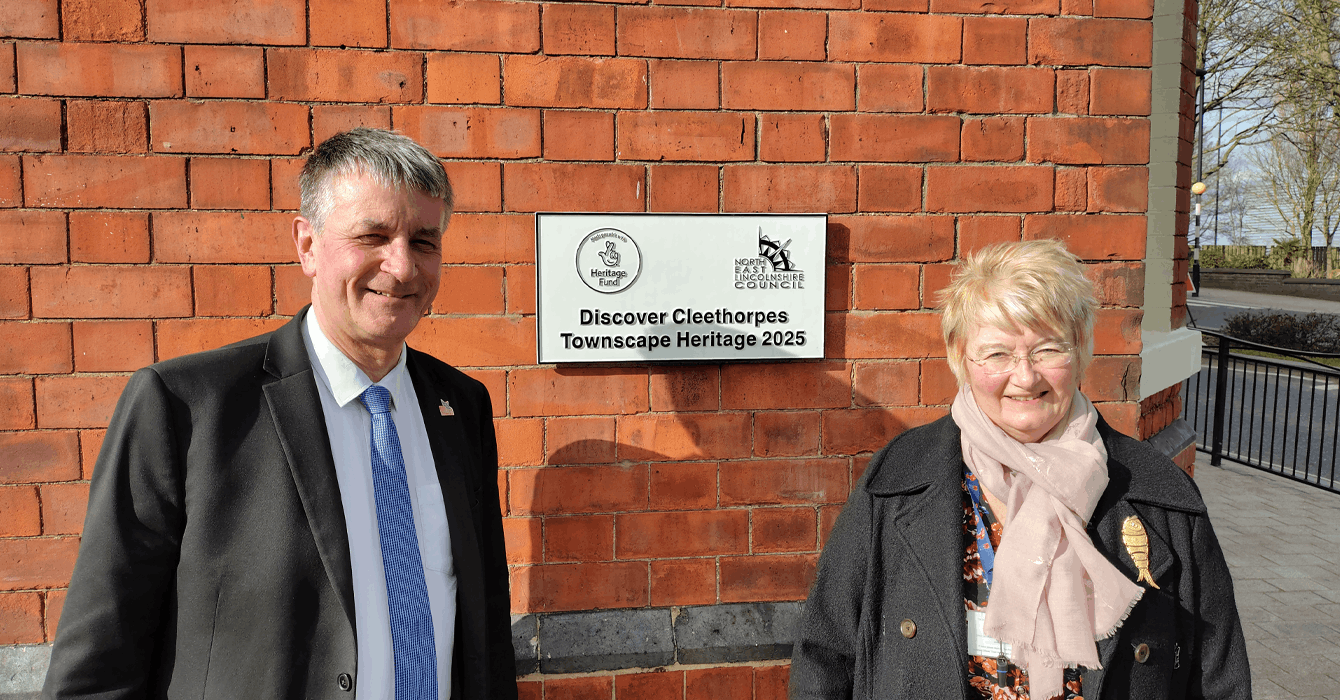
Have you noticed the new look Mermaid fish and chip shop or maybe the improved balconies along Alexandra Road – it’s all thanks to the Cleethorpes Townscape Heritage (TH) project.
First imagined in 2017, the project has seen a joint effort from The National Lottery Heritage Fund, North East Lincolnshire Council and the third-party freeholders and leaseholders to transform parts of Cleethorpes.
The £3.8 million project has been delivered over a six-year period and has given Cleethorpes a new lease of life.
The project was focussed on Sea View Street and Alexandra Road, and The Mermaid on the North Promenade was added by exception to the project.
During the first years of the project, work was done to assess the areas in question and decide what would be the best method(s) for carrying out the range of works suggested. This included Public Realm improvements on the landward side of Alexandra Road. Over the past five years, the project has seen many elements of Cleethorpes regenerated and restored.
Royal Air Forces Association (RAFA) Building
The RAFA building was the first to benefit from the TH funding when it was given a full heritage make-over in 2021, returning the building’s facade to its Victorian roots.
As part of the works, the 140-year-old rotten timberwork was replaced and the 1970s porch removed with a traditional door installed. The blue masonry paint was also changed for a more sympathetic stone colour in keeping with the Victorian era.
Alexandra Road Balconies
The balconies are contained in six blocks of differing designs along the road. Working with the Scottish Ironwork Foundation, research was carried out to identify the designs and Scottish foundries that supplied the structures.
Research was done in 2021 in partnership with The University of Lincoln School of History and Heritage Dept, to determine the original colours of the balconies along the road – with a variety of heritage colours revealed.
In December that year several balconies along the road were removed, which were then taken away for conservation by a specialist team and later reinstated.
Work continued through 2022 when repairs started on Number 41 Alexandra Road, with conservation and restoration work to the front façade helping return the Grade II listed building to its former glory. According to research by The Scottish Ironwork Foundation, the balcony for 41 Alexandra Road was manufactured by George Wright & Co & Lion Foundry of Kirkintilloch.
This building is one of the earliest properties along the road. Built from red brick with a Welsh slate roof, the building also has a cast iron arcade and balcony dating from around 1900.
As part of the works, the late 20th century shop front was replaced with a new shop front to the original design and entrance - redecorated using colours chosen as part of the heritage scheme. This property has its own single cast iron balcony.
Additionally, the dormer window was reinstated (the original was removed around 50 years ago) with the bay windows restored and rainwater channels replaced also.
Two blocks of balcony have been fully restored. 21 – 24 and 42 – 45 Alexandra Road. This work included removing the cast iron off site for restoration, away from the marine air borne salts, with new metal desking frames, ekki timber deck boarding, and accoya timber soffit and fascias.
Sea View Street
Next in the list of works came 35-37 Sea View Street, which revealed far more than the project team first thought. A former grocers and newsagents, the buildings in question were the first on the street to be worked on back in 2024.
Included in these works were:
- Reinstatement of details the lost historic shop front
- Removal of the external shutters, to be replaced with internal shutters
- Reinstatement of fielded and panelled passageway door
- Restoration of the bell-shaped dormer window, complete with new finial, and replacement of existing windows with accoya timber box sash windows
- Repair and replacement of decayed roof timbers, and reinstatement clay tiles
- Removal of PVC guttering and downpipes – to be replaced with traditional cast iron features
- Redecoration of the front façade in heritage RAL colours
During initial excavation works in September that year, a 200-year-old bottle was discovered when the contractors were excavating the foundation trench for an extension at the rear of the building. That wasn’t all though – the bottle was still sealed and liquid contents still inside!
After research carried out by the University of Lincoln Conservation Department, it came to light that the contents of the bottle was in fact urine. As odd as it may sound, many sailors would have been coming and going from this area, preparing for their voyages at sea.
At this time, a common occurrence was to bury a bottle of urine as a superstition for a safe journey home – hence its reason for being there.
The Mermaid
In June 2025, The Mermaid Café became the latest edition to the list of buildings being restored thanks to the TH project.
Situated on the North Prom, the building was originally constructed as a waiting room for the Manchester, Sheffield and Lincolnshire Railway in 1874. Over the years it has had a number of different uses, before it eventually became a fish and chip shop.
During these works, conservation work was carried out to the Victorian cast iron framework of the building, as well as full replacement of the timber elements of the building, except for the roof timbers which are original. The building was also re-roofed and cast-iron gutters and downpipes replaced.
Alongside the restoration, the building leaseholders completed an internal refit, including new kitchen equipment and furniture. The modern suspended ceiling was taken down, revealing the original architectural metalwork and timber boarded ceiling, which the leaseholders have left exposed.
The Dolphin
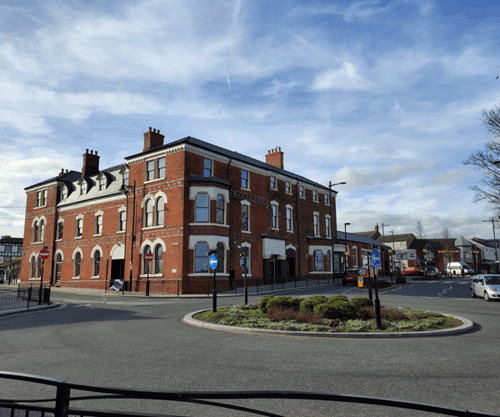
The final piece of the TH puzzle came in the form of the Dolphin Hotel, which was constructed nearly 250 years ago.
In that time, the building has been a hotel, restaurant, oyster bar, café and, in more recent years, various nightclubs.
The restoration work at the Dolphin included:
- Restoring all original windows and doors where possible, or replacing with accoya timber sash windows
- Reinstating all chimney stacks in clay brick, style and fired clay pots to match the original
- Restoring/replacing cast iron moulded gutters and circular section downpipes
- Restoring all stone detailing
- Restoring original leadwork where possible.
- Restoring original openings and reveals where possible
- Roof repairs
- Demolition of some unoriginal and harmful additions/extensions to the rear of the building
- Removal of all unoriginal electrical fixtures and fittings
- Removal of poor-quality render and re-rendering western courtyard elevation
- Full external redecoration in Victorian period colours
Colouring Books and more
Aside from the buildings themselves, the TH team spent time engaging with local students and creating a legacy for the project.
The impressive Heritage Skills Events held in 2024 and 2025 has provided inspiration for over 400 students who may become the next generation of skilled construction workers, who could one day help to preserve more iconic buildings in the borough. Held at King’s Hall, Cleethorpes, students from five different schools came to learn about several traditional vocational skills including roofing, plastering, carpentry, brickwork to scaffolding.
Additionally, Cleethorpes artist Victoria Whittleton brought the streets of the seaside resort to life with her colouring book: “Colourful Cleethorpes: A Townscape to Treasure”. Delving in to the architecture of some of the key buildings concerned with project, Vanessa has given the public an opportunity to create their own landscape.
From The Dolphin to The Mermaid, all the key buildings take pride of place throughout the book and showcase just how impressive some of the transformations have been. Over 4000 of the colouring books have been distributed to local charities and organisations within the local community.
Carol Heidschuster, Townscape Heritage Project Manager, said: “Positive engagement from the property freeholders and leaseholders has enabled this project to showcase the unique built heritage of Cleethorpes. It really has been a team effort to deliver such high-quality heritage led regeneration, and it is something to be very proud of.
“The success of the project has brought economic benefit to the area with new local independent traders, residents moving into the area.”
Councillor Philip Jackson, Leader and Portfolio Holder for Economy, Regeneration, Devolution and Skills, said: “This project has been simply amazing from start to finish. The team have breathed new life into several iconic Cleethorpes buildings and the resort looks wonderful.
“Walking around, you can really see what a tremendous impact this project has had.”
He added: “It has come at such a poignant time too when regeneration works are set to completely revitalise other areas of the resort and create a Cleethorpes that will be talked about and visited for years to come.”
Helen Featherstone, Director, England, North at The National Lottery Heritage Fund, said: “It’s been fantastic to see the transformation of the historic buildings on Cleethorpes Central Seafront. This increases people’s connection with the heritage of their town, and it is a wonderful example of how breathing new life into conservation areas, with social and economic needs, shows that heritage is an important catalyst for regeneration.
“North East Lincolnshire is a priority area for Heritage Fund, through our Heritage Places programme, and so it is wonderful to see this initiative come to fruition”.